ISL’s community enrichment groups participate in a number of projects that enhance quality of life in a developing community. From cleaning up a beach or a neighborhood, constructing or refurbishing schools, clinics, community centers or residences, to planting trees, flowers and vegetable gardens, the ways in which volunteers can contribute are numerous!
Dental care is one of the most critically underserved areas of international health care, as dental care is usually not included in the socialized health care systems found in most developing countries. Through ISL, thousands receive dental care – with your help!
ISL’s ecology program works to bring about sustainable development through environmental, community development, and agricultural initiatives. We work alongside members of the community and assist them in meeting their goals and building capacity for a brighter future.
Our goal is to provide experiential learning opportunities and cultural expansion for education majors and professionals while experiencing first-hand classroom experience in a co-teaching format, assisting educators around the world.
ISL’s global health programs are interdisciplinary and able to provide a variety of general medicine, nursing, pharmacy, public health, healthcare management, and nutrition services in developing communities. From urban centers to small towns and villages in remote areas, our teams work in various settings to provide field clinics in which patient needs are assessed and acute conditions are treated.
ISL offers opportunities for high school students to travel, learn, and volunteer in a variety of amazing settings. We offer our Community Enrichment, Ecology, Sports without Borders, and Global Health programs to high school students. Teen volunteers are able to engage with another culture in a meaningful way and begin to cultivate a global awareness that will benefit them as they progress from secondary to university education. Involvement in a global service experience not only instills confidence, it can be a powerful determinant in setting educational and career goals.
Regardless of background, volunteers are able to receive an invaluable opportunity to travel, learn about another culture, and serve a developing community.
A fusion of humanitarian fervor and outdoor enthusiasm, ISL’s Hike for Humanity program offers a unique adventure, sending volunteer teams to assist those in greatest need by reaching out to villages farthest from urban advantages. H4H teams bring essential global health, education, ecology, and community enrichment services to the rural underserved, while providing hikers with an incomparable outdoor experience and the personal satisfaction of being involved in meaningful service.
ISL’s medical teams provide medical care and public health education in partnership with local community agencies. From urban centers to small towns and villages in remote areas, our medical teams work in field clinics assessing patient needs and treating acute conditions.
ISL’s nursing programs actively participate in health clinic service in partnership with local community agencies, in an effort provide acute care and public health education to vulnerable populations. Our nursing program was developed to provide a learning experience that strengthens cultural competency in an ethnically diverse setting, while providing genuine service in developing communities.
Our goal is to allow those in our partner communities with little or no access to health systems to benefit from a nutritional assessment and treatment from a licensed nutritionist. Different institutions will also benefit from a food safety evaluation of their food services and an educational project aimed at residents or the population in charge. ISL aims to provide experiential learning opportunities and cultural expansion for entry-level nutrition students or health students interested in expanding their nutrition knowledge.
ISL’s Occupational Therapy program is very interactive and highly specialized. Volunteers learn about global health issues, including occupational therapy challenges, and provide help to populations in vulnerable positions.
The World Health Organization has determined that lack of eye-care is one of the most crucial needs in developing countries. Because refractive needs and other eye problems don’t necessarily cause immediate pain, eye care is often under prioritized when resources are limited, – especially for children. Through ISL, thousands of the underserved have received eyewear and eye care.
In addition to providing pharmacy services, ISL’s pharmacy teams provide a variety of general medicine and public health services in under-resourced communities. From urban centers to small towns and villages in remote areas, our teams work in various settings to provide field clinics in which patient needs are assessed, acute conditions are treated, and medications are prescribed.
ISL’s physical therapy program is interactive and highly specialized. Volunteers will observe and learn manual techniques and tests for evaluating patients from communities in need, where high tech equipment, such as x-rays and MRI testing, is not available. This is accomplished under the guidance and supervision of local physical therapy professionals, who make sure all evaluations and treatments are performed accurately and appropriately.
Our Sports Without Borders program unites sports enthusiasts in order to promote team work, encourage athletic achievement, and inspire positive social change in the areas of education, health, and wellness. This program offers a unique opportunity for cross-cultural learning.
ISL’s veterinary teams are able to provide a variety of care ranging from public health services such as administering immunizations and facilitating spay/neuter clinics, to providing urgent veterinary care. From visiting farms to setting up veterinary field clinics in urban centers, our volunteers are able to gain extensive experience in a short period of time.
Experience the laid back atmosphere of Belize, rich with Spanish and British influences, featuring attractions such as Mayan archaeological sites, the world’s second longest barrier reef, caves and rivers–all while serving and learning among its people.
Cambodia is a Southeast Asian nation whose landscape spans low-lying plains, the Mekong Delta, mountains and the Gulf of Thailand coastline. Phnom Penh, its capital, is home to the art deco Central Market, the glittering Royal Palace and the National Museum’s historical and archaeological exhibits.
Colombia is the second most biodiverse country in the world and is experiencing an economic and cultural transformation with its recently found civil peace and growing trade with the U.S. Urban areas have made great strides in reducing poverty and providing healthcare, but rural areas are still in great need of healthcare, education, and development support.
Costa Rica means Rich Coast however, I will have to disagree! The Whole Country is Rich, not only the Coast!! Costa Rica is a tiny country of only 51,100 km2; perhaps just a little bigger than West Virginia in the USA, but with 5 million inhabitants. Costa Rica has beautiful beaches, awesome volcanoes and mountains, natural hot springs. Its biodiversity accounts for 6.5% of all the planet biodiversity, 9.9% of its GDP (an important economic indicator) goes into health and 7.6% into Education. We are blessed that in 1948 the army was abolished and that we hold the Nobel Peace Prize (1987). Sounds like a paradise right? Indeed it is; however, the Pura Vida (Pure Life) phrase that characterizes us gets short in covering the whole reality that we live. Poverty, unemployment, lack of access to health services, increase in the number of migrants that stay in our country, saturation of our health system, medical personnel that leave the social system looking for better salaries in the private sector, are just some of the factors that Costa Ricans have to deal with every day. More and more we find “vulnerable communities” filled with Costa Ricans and immigrants, especially from Nicaragua. These people with no permanent jobs do not have access to the social system services. It is where agencies, such as ISL help to provide people with some basic human services to palliate their most basic needs. That is the other half of the story about Costa Rica. We sure hope to count with you, your generous heart and your feet and hands to help us bring a little more of the Pura Vida to them. Thank YOU for choosing Costa Rica for your next educational, cultural, mission trip! Enjoy paradise and help others! Remember, “Do not withhold good from those to whom it is due when it is in your power to do it” (Proverbs 3:27). Gracias! Pura Vida! See you here soon!
Dominican Republic and Haiti, two sovereign nations with completely diverse cultural and historical identities, share a beautiful island located right in the heart of the Caribbean known as La Hispaniola. The spirit and charm of their people is distinguishable in their lively music and delicious cuisine, but both exhibit incredible warmth and hospitality.
Dive into this vibrant country full of color, music, and deeply-rooted culture. A place of religious, cultural, and linguistic diversity, India is full of beautiful surprises around every corner.
Discover Visakhapatnam, India with ISL where the Eastern Ghats meet the Bay of Bengal, and hearts meet a mission.
ISL’s Baja Mexico program is an on-going humanitarian project that takes place in Puerto Peñasco, situated along the beautiful Sea of Cortez. We work with global health agencies, local health ministries, and other NGOs in our partner communities. Volunteers are able to gain valuable experience participating in community clinics and/or working in institutional and community health contexts.
Situated on the isthmus connecting North and South America, Panama is the southernmost country of Central America. Panama has access to two different oceans, mountains, a vast rain forest, a modern metropolis (Panama City) and the Panama Canal–a lot to see and do! Panama also has a rich array of cultures ranging from indigenous and Latino to peoples of African, Asian, and European descent.
The narrow desert belt of Peru’s Pacific coastline stretches the length of the country and harbors fishing villages, beautiful beaches, agricultural lands, and Peru’s major towns and cities. The amazing Andes Mountains separate the arid coastline from the lush Amazon Basin. The Amazon Basin is also home to millions of indigenous highland people, who speak the ancient Inca language of Quechua and live in traditional villages with steeply terraced agricultural fields and wandering herds of llamas and alpacas.
One of the most diverse countries in Africa, Tanzania is full of natural riches and cultural wealth. Located on the eastern side of the continent, Tanzania is home to Africa’s highest mountain, deepest lake, largest game preserve, most famous national park, and most abundant movement of wildlife. In addition to its many geographical gems, Tanzania is home to a cultural mosaic of more than 120 distinct ethnic groups.
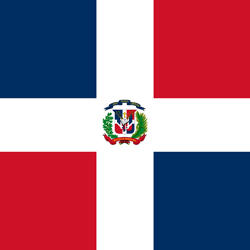
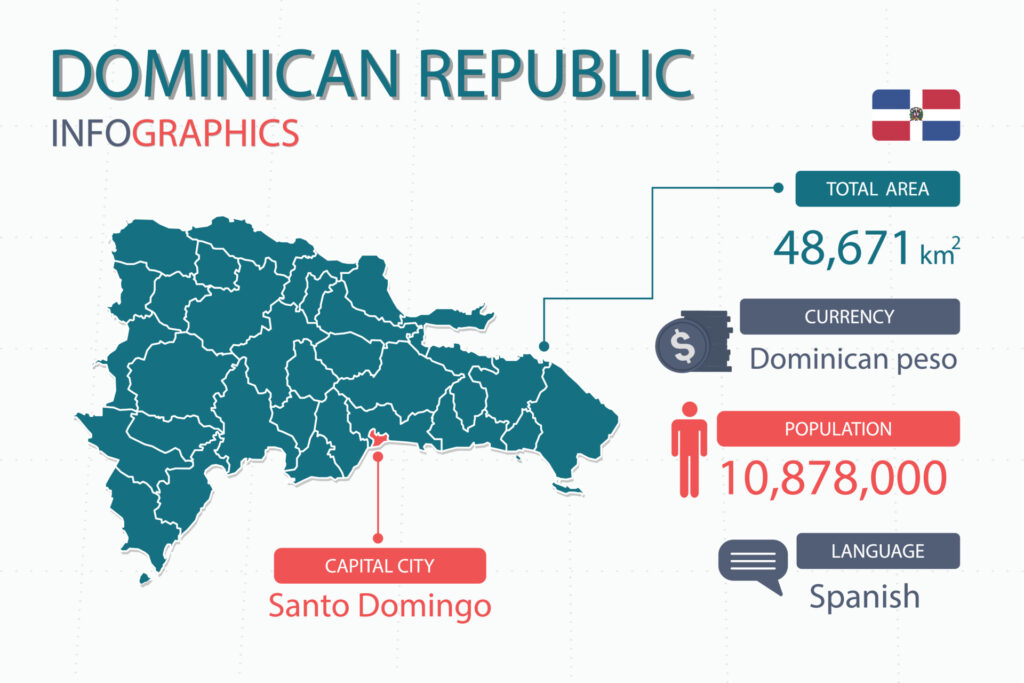
The Dominican Republic is a sunny and colorful Central American island-nation in the Caribbean, close to Puerto Rico. The island, called Hispaniola, is shared by the Dominican Republic to the east and Haiti to the west. In 1492, it was the first territory in the Americas to be settled by Europeans. The Colonial Zone of the capital, Santo Domingo, houses the first cathedral, university, and church built in all of the Americas. These are now established as UNESCO World Heritage Sites.
After centuries of Spanish and French colonial rule, the Dominican Republic became independent in 1844. Since then, it has grown into the largest economy of the Caribbean and is ranked as one of the fastest growing economies of Latin America. Traditional exports such as coffee, cocoa, fruits, and vegetables are still important, while telecommunications and tourism have become strong economic forces as well. Currently, the Dominican Republic is visited by more travelers than any other Caribbean country.
Despite the many wonderful aspects of the Dominican Republic, there are great challenges in economic, health, and ethnic relations. Neighboring country Haiti suffers more poverty than any other nation in the Western Hemisphere. There are about one million Haitian immigrants in the Dominican Republic, and tensions between Haitian and Dominican people run high, affecting the well-being of many. About half of the population is subject to the deficient public health system, and the unemployment rate hovers around 15%.
ISL volunteers serve in communities that struggle with poverty. While our programs operate mostly in the Dominican Republic, we do take visits to the Dominican/Haitian border to serve residents of the refugee communities in the border zone. Volunteers often cite this as one of their most impactful experiences.
Visitors enjoy experiencing some of the Dominican Republic’s favorite pastimes, such as music, dancing, and sports. The friendly people of Hispaniola love to share their lively music, Merengue and Bachata, and the accompanying dances with visitors.
The Need in the Dominican Republic
In the Dominican Republic, health haphazardness has resulted in economic challenges. It was because of the rising of infectious health disparities. Healthcare institutions work extensively toward understanding contagious diseases that influence the Dominican economy.
The Human Rights Measurement Initiative finds that the Dominican Republic is fulfilling 86.0% of what it should be fulfilling for the right to health based on its level of income. When looking at the right to health with respect to children, the Dominican Republic achieves 89.3% of what is expected based on its current income. In regards to the right to health amongst the adult population, the country achieves only 84.6% of what is expected based on the nation’s level of income. The Dominican Republic falls into the “bad” category when evaluating the right to reproductive health because the nation is fulfilling only 84.0% of what the nation is expected to achieve based on the resources (income) it has available.
Where We Serve in the Dominican Republic
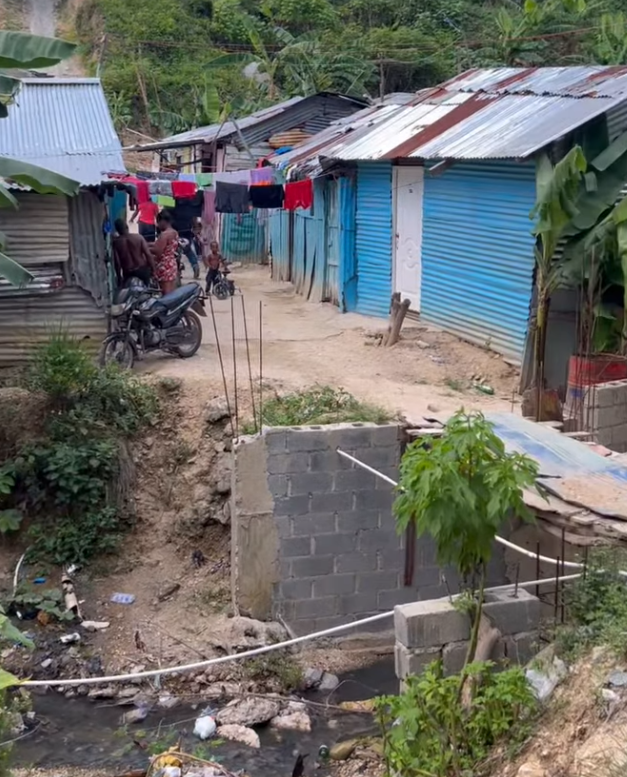
ISL’s Dominican Republic service-learning programs work primarily in the rural zone around Santo Domingo, focusing on many of the communities surrounding the Ozama River. People there do not have access to the national health program, leaving them vulnerable to disease and untreated injuries. They are able to visit small health centers, but they can only be diagnosed, not treated. It is common to see infectious diseases and malnutrition in these communities. Residents also suffer from a high rate of unemployment, and many face the cruel realities of child abuse, domestic violence, alcoholism, and drugs. Many people lack formal housing as well, living in makeshift homes with tin roofs.
Haitian Border Region
Volunteers to the Dominican Republic & Haiti will also spend some of their time working in a clinic a few miles across the border in the southeastern part of Haiti. Volunteers will not be lodged in Haiti, but will spend each night in the Dominican Republic, staying in towns next to the Haitian border.
Cultural Exploration
With ISL Dominican Republic, you’ll have many opportunities to explore the culture of those you serve through a variety of activities such as cooking classeswhere you learn how to make one of the many famous and delicious local dishes and drinks, and dance classes where you will learn how to dance to the charming and contagious music of “Merengue” and “Bachata” … original music from Dominican Republic. City Tours consist of a walking tour of the Colonial City (the most historic part of the country), which affords opportunities to visit museums such as “La Catedral Primada de América” and “Alcazar de Colon”. Volunteers who wish to visit the Presidential Palace need to notify the Country Coordinator ahead of time, so we can schedule a tour. DR creates famous baseball players, many who make it to the MLB. A tour of the Baseball Stadium may allow you to see some of them playing for local teams. Baseball season is October through February.
Recreation
When it comes time to get out and explore, you’ll see why the Dominican Republic is said to be one of the most breathtaking places on earth. Dependent on the location of the clinic you may have opportunities to visit a Resort in Juan Dolio Beach, take a speed boat or catamaran to Saona Island, one of the most beautiful islands in the country. Another opportunity would be an excursion to Salto el Limón and Cayo Levantado, a beautiful waterfall and swimming area which is accessible only by a 20-30 minute horseback ride. An opportunity to observe humpack whales (January-March) is possible on Cayo Levantado, a small island with a tropical vegetation, white sand and crystalline water.
Country Coordinator
International Service Learning (ISL) is very proud of their Country Coordinators and we would like for you to get to know them, before you visit their beautiful country. All of our Country Coordinators are hardworking, passionate individuals who enjoy serving their communities and working with ISL volunteers, and they all have their own very unique stories.
Evelyn Puello has worked with ISL since 2009. Eveleyn is from Santo Domingo, the capital of the Dominican Republic, and has lived there her whole life. Evelyn has two daughters: Yonairy, who is a Pediatrician working in Washington, DC as a Cardiologist Pediatrician, and Saskia, who is an Architect in Manhathan, NY. They are very close as mother and daughters, and they share everything; in fact, their relationship is more like that of friends than of mother and daughters. Her daughters were a great support for her at ISL. Evelyn was raised in Santo Domingo, and her parents were wonderful, especially her father. She had a good childhood, and her father taught her about all the good things in the areas of life and family. Evelyn previously worked as an administrator with her father in his industrial mechanics workshop. Later, she worked for two years for Habitat for Humanity. There, her work consisted of helping to construct homes in her country. It was a wonderful experience for her, and she believes that it helped prepare her to work for ISL. When she started attending her Baptist church, she saw what her calling to service was: to serve those in need. She worked in different ministries at her church, with the older adults and the children. It was there that she really realized her calling.
In her role as ISL Country Coordinator her first priority is finding a community where the teams that are sent will work, to make sure that that community has the requirements that ISL has to bring a team. When the team is there, they meet them at the airport, take them to their lodging, and give them food from the country. Evelyn coordinates all the transportation and food and finds the doctor that will work with the team and the translators. Basically, that is the Country Coordinator’s job: to look after the teams from when they arrive until they leave. Afterwards, she prepares the financial report of all the last team’s costs. What most inspires Evelyn is seeing the reception and acceptance that the people in the communities give to the ISL teams. When she visits a community, she loves to see the people with a thankful heart for all that they do for them. She says that it always has to do with the fact that the teams give their best effort, whether through advice or talking to them about God. That is what she most enjoys about her work, and, of course, meeting each of the volunteers who come to her country. Although they come from the United States, they are often the children of people from other parts of the world. What she likes most about her job is getting to know all about those cultures and being able to give their best to each of the volunteers who come to their country.
Alumni Stories:
We Do Not Have to Wait Until the Next Trip to Make a Difference!
It is not until we embark on a journey so far from home that we realize how much we have and how in debt we are to serve the world surrounding. Far from our comfort zone in a new area we are called to make a difference. I have been on many mission trips but the most memorable experience was in Dominican Republic through ISL. What an awesome responsibility and opportunity it is to travel to another country and be of service to others less privileged. There is nothing I recommend more to an aspiring physician or anyone wanting to be in the medical field than to get the full hands- on experience through a medical mission trip. I am a better person because of the experience and came back inspired to do more for others. Many times I feel as if the people we helped may have done much more for us than anything we could have ever done for them. I say this because as for me and my incredible colleagues whom I was blessed to meet on that trip, this opportunity only expanded our drive, dedication, work ethic and vision of the positive impact we could have as doctors. We learned that when we forget ourselves and focus on bettering the quality of life of others, we add value to them and each other and it is only then, in my experience, that we feel truly happy.
One of the biggest epiphanies in my life came when I realized that we do not have to wait until the next trip to make a difference. Shortly after coming home, I thought there must be something we can do to better the lives of others. We do not have to graduate as doctors to begin to add value to people’s lives and make a positive impact in our community. I believe God can use us as instruments of service wherever we are blessed to be. I visited nursing homes and clinics and found many things in common between some of those patients and the amazing people we met in our journey overseas. I witnessed how very few visitors some patients get in some of these places. The realization was simple and profound: Not all pain and illness comes from lack of medicine. Not everybody’s hunger comes from lack of food. Some people starve emotionally from feeling as if they are not valued. Some thirst for being listened to and cared for. We must take note that it is our responsibility to uplift and bring out the best in these people, because if we don’t, who will? I believe we are only qualified to lead at the level we are willing to serve and that our greatest moments come from knowing we made a difference.
Jose Agustin Amengual III
Florida Atlantic University
ISL Alumnus and “Think Global, Act Local” Essay Contest 1st place winner
Alumni Video Testimonials:
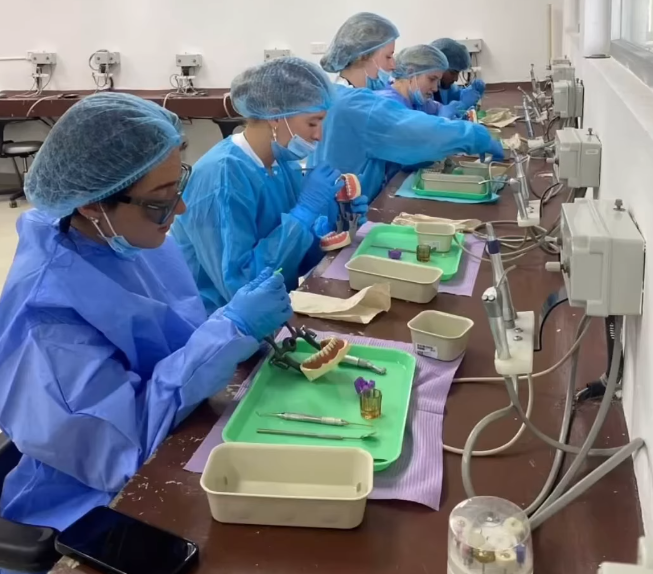
Baylor University (Team Baylor) ASDA (Dental) Team traveled to the Dominican Republic in March 2025.
We love our staff and we are positive that you will too! Each staff member is professional, courteous, and has the same passion as you do: to serve others.
The goal of ISL's global health program is to learn about local health care challenges, experience Dominican culture, and gain perspective on the global landscape. Volunteers will participate in public health surveying and clinical activities, including interviewing patients, taking vitals, and helping out in the pharmacy.

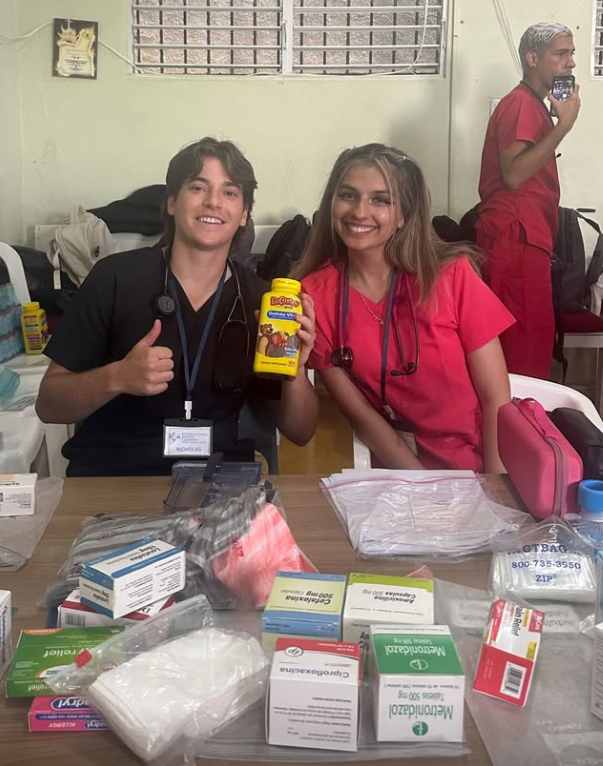
 It is not until we embark on a journey so far from home that we realize how much we have and how in debt we are to serve the world surrounding. Far from our comfort zone in a new area we are called to make a difference. I have been on many mission trips but the most memorable experience was in Dominican Republic through ISL. What an awesome responsibility and opportunity it is to travel to another country and be of service to others less privileged. There is nothing I recommend more to an aspiring physician or anyone wanting to be in the medical field than to get the full hands- on experience through a medical mission trip. I am a better person because of the experience and came back inspired to do more for others. Many times I feel as if the people we helped may have done much more for us than anything we could have ever done for them. I say this because as for me and my incredible colleagues whom I was blessed to meet on that trip, this opportunity only expanded our drive, dedication, work ethic and vision of the positive impact we could have as doctors. We learned that when we forget ourselves and focus on bettering the quality of life of others, we add value to them and each other and it is only then, in my experience, that we feel truly happy.