

About Peru
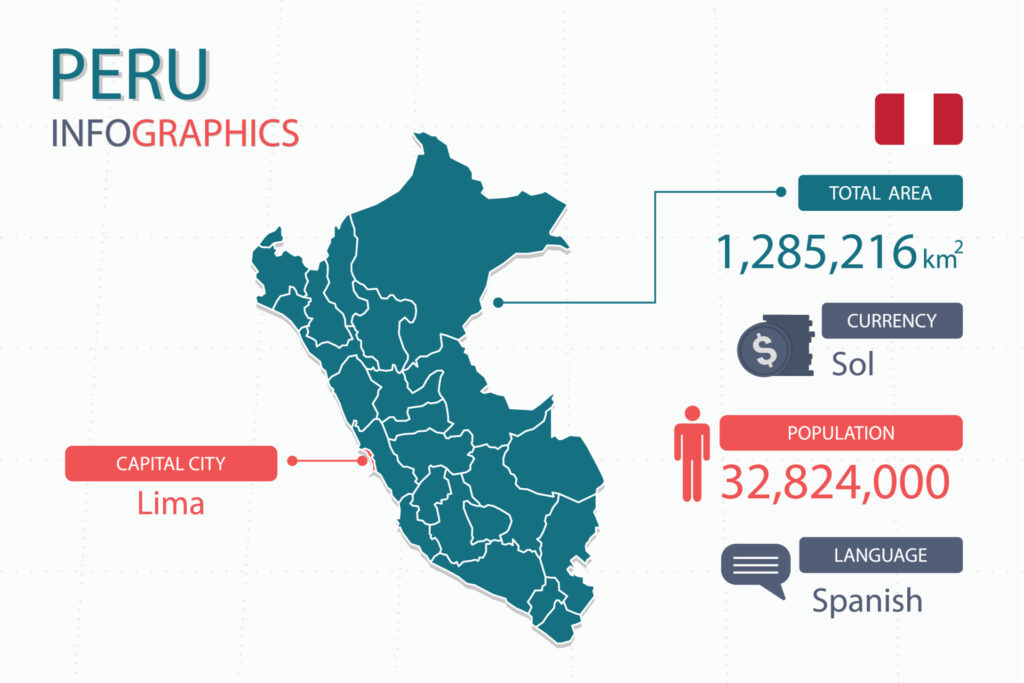
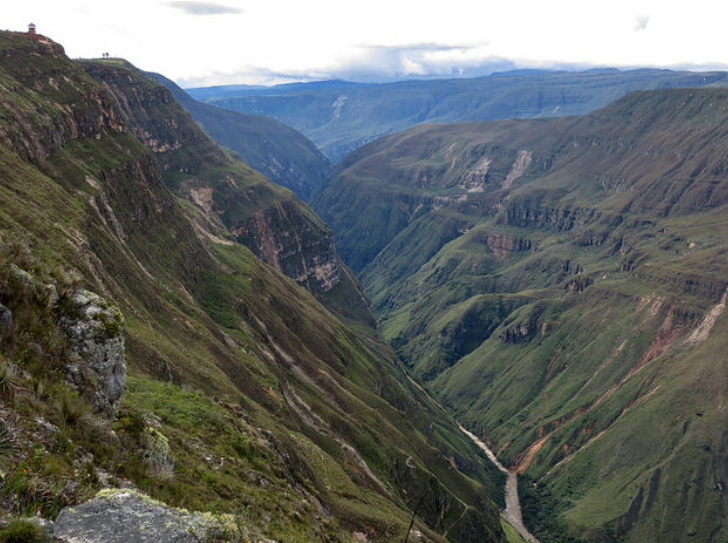
The narrow desert belt of Peru’s Pacific coastline stretches the length of the country and harbors fishing villages, beautiful beaches, agricultural lands, and Peru’s major towns and cities. The amazing Andes Mountains separate the arid coastline from the lush Amazon Basin. The ecologically rich tropical rain forests of the Amazon encompass some of the world’s most remote and least explored areas. The Amazon Basin is also home to millions of indigenous highland people, who speak the ancient Inca language of Quechua, and live in traditional villages with steeply terraced agricultural fields and wandering herds of llamas and alpacas.
Peru’s largest city and capital is Lima, which is the fourth largest city in the Americas. The majority of ISL volunteers first arrive in this city before traveling to another destination, such as Chachapoyas, to serve in developing areas. In this city, volunteers attend seminars on common diseases and tropical medicine, take vital signs, perform physical examinations and public health surveys, and learn some medical Spanish.
The Need in Peru
Peru has a good health care system for public and private sector employees and self-employed people who directly contribute to the economy. There is also some health care available for others, but the system is overwhelmed with the needs of so many. The unemployment rate is very high and there is a large population of immigrants from different provinces of Peru who are also struggling with poverty. ISL serves in these communities.
In the districts surrounding Chachapoyas, Peru, poverty can be reduced by emphasizing infrastructure development, community empowerment, and economic opportunities. Enhancing access to resources like clean water, bolstering local economies, and assisting with healthcare and education programs are some of the specific areas of attention.
Here are some examples of what is needed in Chachapoyas City’s poorest areas:
- Access to healthcare and educational opportunities
- Enhance the quality of water systems and address environmental problems such as solid waste, air pollution, and water contamination.
- Excessive fertilizer uses and unsustainable farming practices.
- Other similar cases
Where We Serve in Peru
ISL Peru volunteers are likely to spend the majority of their time in Chachapoyas City; after arriving at the Lima airport, they will take a 1.5-hour flight from Lima to Chachapoyas, where they will engage in community work.
The town of Chachapoyas is situated in northern Peru’s Amazon region, which is located between the Amazon rainforest and the Andes. Known for its rich cultural heritage, especially that of the ancient Chachapoya civilization, whose ruins and artifacts can still be seen in the region, it is also the capital of the Amazonas Region.
Because of the region’s clouds, the name “Chachapoyas” means “cloud forest” in Quechua.
ISL volunteer can visit the Chachapoyas region working in different communities such as Pedro Castro, San Geronimo, Huancas, Taquia and Levanto providing health clinic attention and house visits in areas where poverty has significantly impacted the Chachapoyas region, particularly among the local Quechua-speaking population.
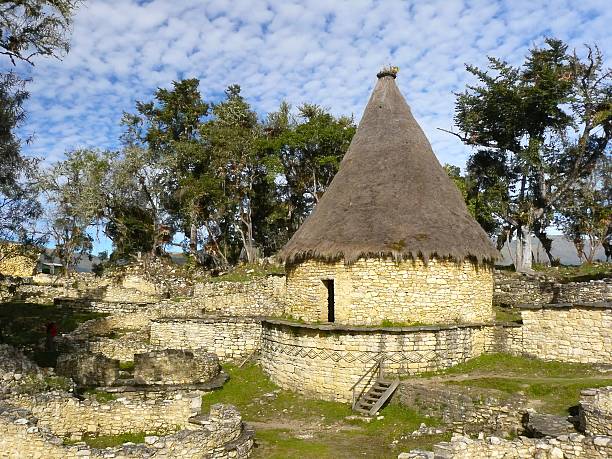
“Kuelap (KuAlap) Fortress”
Cultural Exploration
With ISL Peru, you’ll get many opportunities to experience the culture of those you serve as volunteers. From salsa to Chumaychada, dance classes are an excellent opportunity to learn the basics of local dances. City Tours
provide an opportunity to explore parks, old colonial style buildings, theaters, museums, etc., and there are always opportunities to visit churches. On Medical Plant Farms you can learn about different kinds of medicinal herbs, and there are a variety of archeological sites (Higos Hurco, Huanca Urco, Sonche) to visit around the city.
Recreation
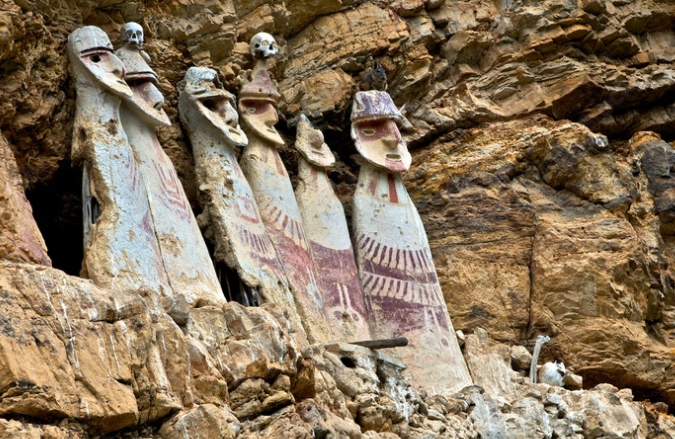
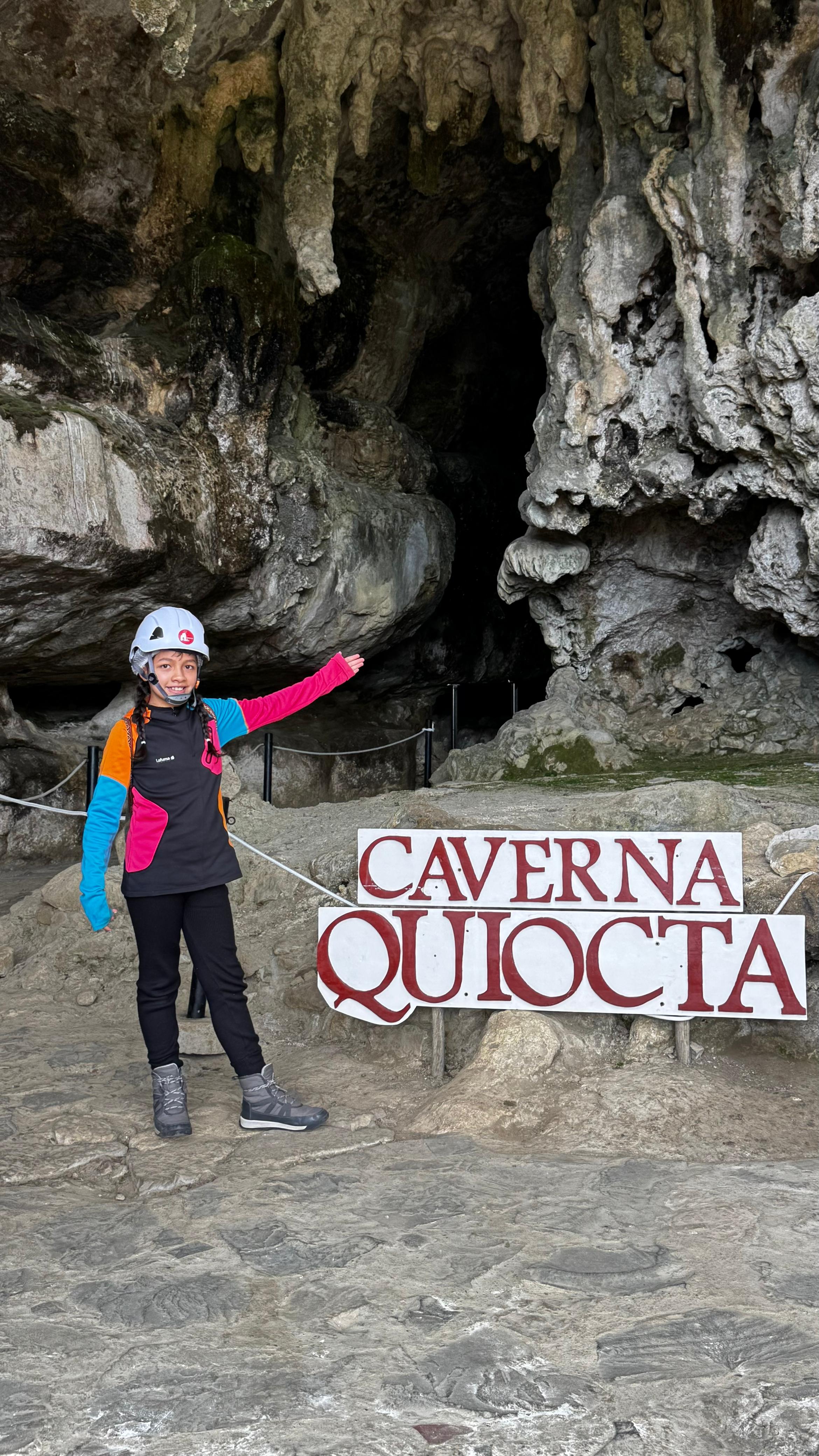
When it comes time to get out and explore, you’ll see why Peru is said to be one of the most breathtaking places on earth. Many opportunities exist for recreation such as a visit to the Kuelap Fortress, one of the largest ancient monuments of the Americas, a fortified citadel in northern Peru on the slopes of the Andes. Kuelap Fortress is currently a UNESCO World Heritage Site candidate. A visit to the Quiocta Cavern is followed by a visit to the group of Sarcophagi of Karajia … both of which will require a lot of driving and a good amount of walking. ISL Volunteers can enjoy the Celebration of Raymillacta the first week of June. The event is a celebration of the city of Chachapoyas region’s culture, that includes dances, cuisine, music, costumes and artwork. The Andean Highlands & Amazonia are both represented at Raymi Llacta. Known as Raymi Llacta (or Llaqta), which means “highland town festival” in Quechua, it has been a fixture on the Northern Peru calendar since 1996. The festival attracts participants from the city’s various districts, as well as the surrounding provinces, and has a vibrant mix of pre-Inca, Inca and Colonial traditions, with representatives of Amazonas’ highland farming communities, mingling with jungle-dwelling, indigenous communities.
Recreational opportunities may have an extra cost so check with your ISL Representative when scheduling your activities to make sure that you prepare well for those expenses.
Country Coordinator
Sandra Diaz Ruiz has worked for ISL from 2010 until 2016, after taking a break off to continue her environmental engineering career. Sandra has recently rejoined the ISL family.
Sandra, the youngest of three sisters and two brothers, comes from a large family of five. Jorge “Coco” as he is known by his nickname, is her husband and life partner. She also has a Golden Retriever puppy that she takes everywhere with her, Aslan is her best friend. Her mother lives in Chiclayo with her sister Lily, who is quite unwell; she hopes that her sister will get better eventually. Supporting her mother and sister Lily is important for Sandra and her family because they deserve to live happy and healthy lives.
Sandra grew up in the Peruvian Amazonian region of Chachapoyas. She lives in the northern Peruvian town of Chachapoyas, which is the capital of the Amazon region. It is situated between the rainforest and the Andes, deep within a tropical cloud forest. From Quechua, the term “Chachapoyas” means “cloud forest”
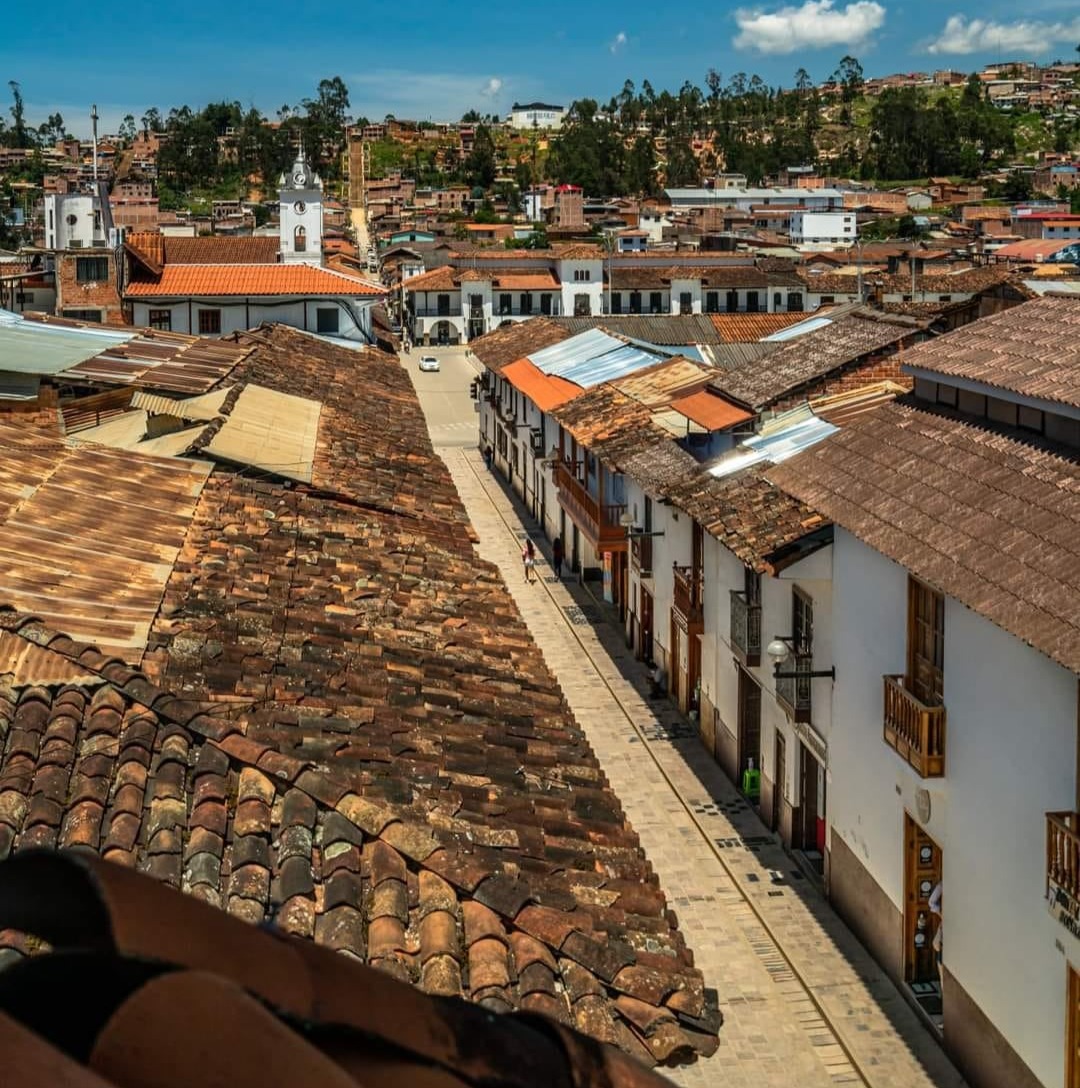
Sandra adores her country’s welcoming people and diverse cuisine, including ceviche, which is Peru’s main dish. Her favorite place to live is Chachapoyas, a peaceful, charming town with a charming historical center, several beautiful churches, and houses from the 19th century with balconies. The city is mostly popular as a starting point for exploring the spectacular natural, archaeological, and cultural landmarks in the area. The pre-Inca Chachapoya, often known as the “cloud people” lived in the immense and mostly desolate cloud forests and Andean highlands of Chachapoyas. Their history is still mostly unknown, and there are hundreds of lost cities and cliff tombs containing new discovered mummified warriors.
The most impact moment for her during her education as an environmental engineer was developing projects to close municipal solid waste whose operations damage the environment, contaminate water supplies, destroy aquifer habitat, and spread disease among the populace. Perhaps in the future, she will help for the ISL’s ecological service-learning program, which promotes sustainable development through agricultural, community, and environmental projects.
In her role as ISL Country Coordinator Sandra facilitates the coordination of all logistics for teams visiting Peru. When a team is marked as a “Go” in the database, her job is to make sure she has hired the right people for them, knows where they will work, which doctor they will work with, what they will do for recreational day, and makes sure they have lodging, food, transportation, and medical supplies. She is also in charge of inventory and prepares the Peru program’s budget. She is also in charge of staff training; if there are problems when the reports are sent in, she arranges training sessions that she leads personally and occasionally requires the help of other resources. She is also in charge of keeping an eye on how teams are working. She does spot checks to observe how things are going in the field and on occasion collaborates with them to gain insight into the team leader’s leadership style.
Her greatest reasons for inspiration at work are her love of helping people, the chance to interact culturally with those in need, and the volunteer service-learning opportunities. Motivating aspects include the opportunity to learn and grow, as well as the opportunity to work in an environment that encourages a culture of development.
Peru's Staff
We love our staff and we are positive that you will too! Each staff member is professional, courteous, and has the same passion as you do: to serve others.